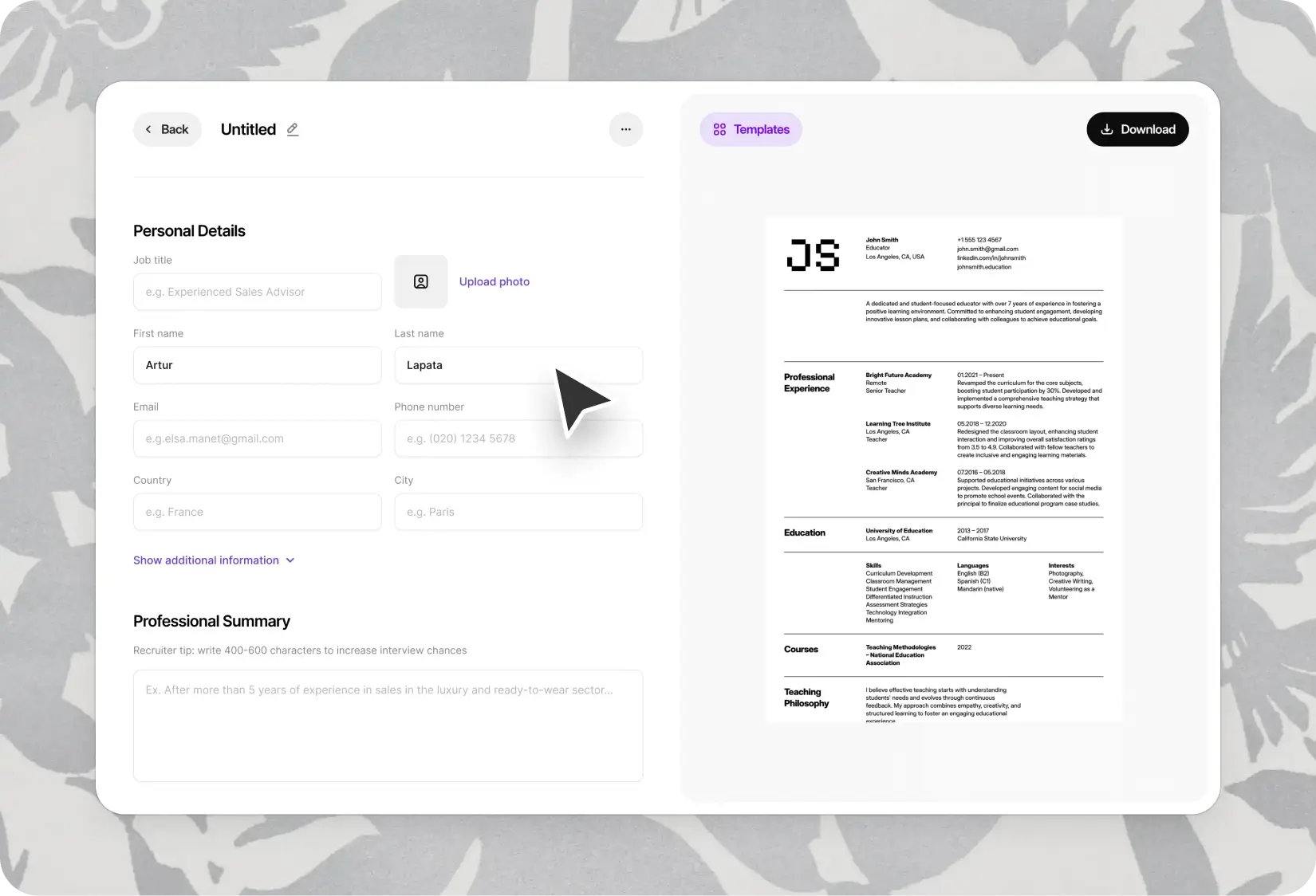
One Page Resume Templates — Everything That Matters, Nothing That Doesn't
6 one-page resume templates for focused, high-impact applications. Choose yours — you'll be editing in under a minute.
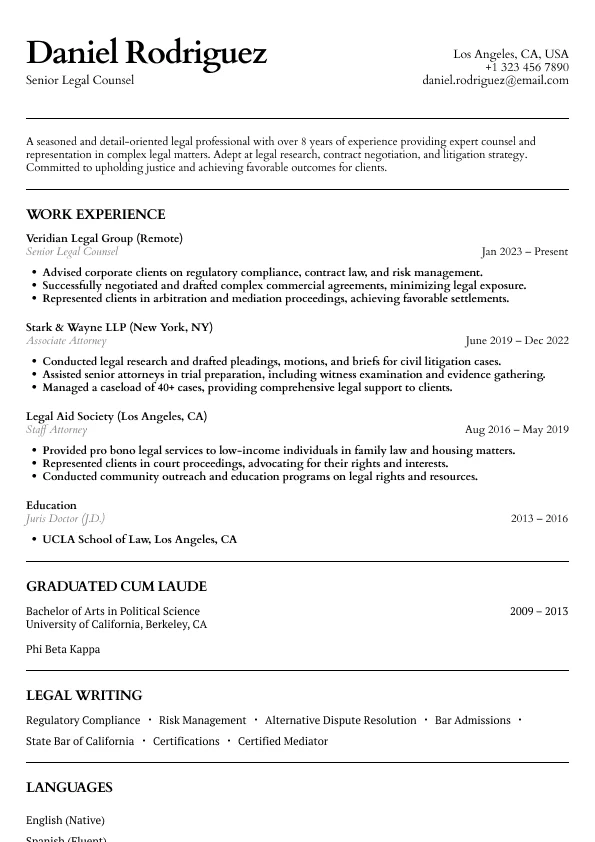
Atlas
Classic legal resume layout with clear hierarchy and refined section styling.
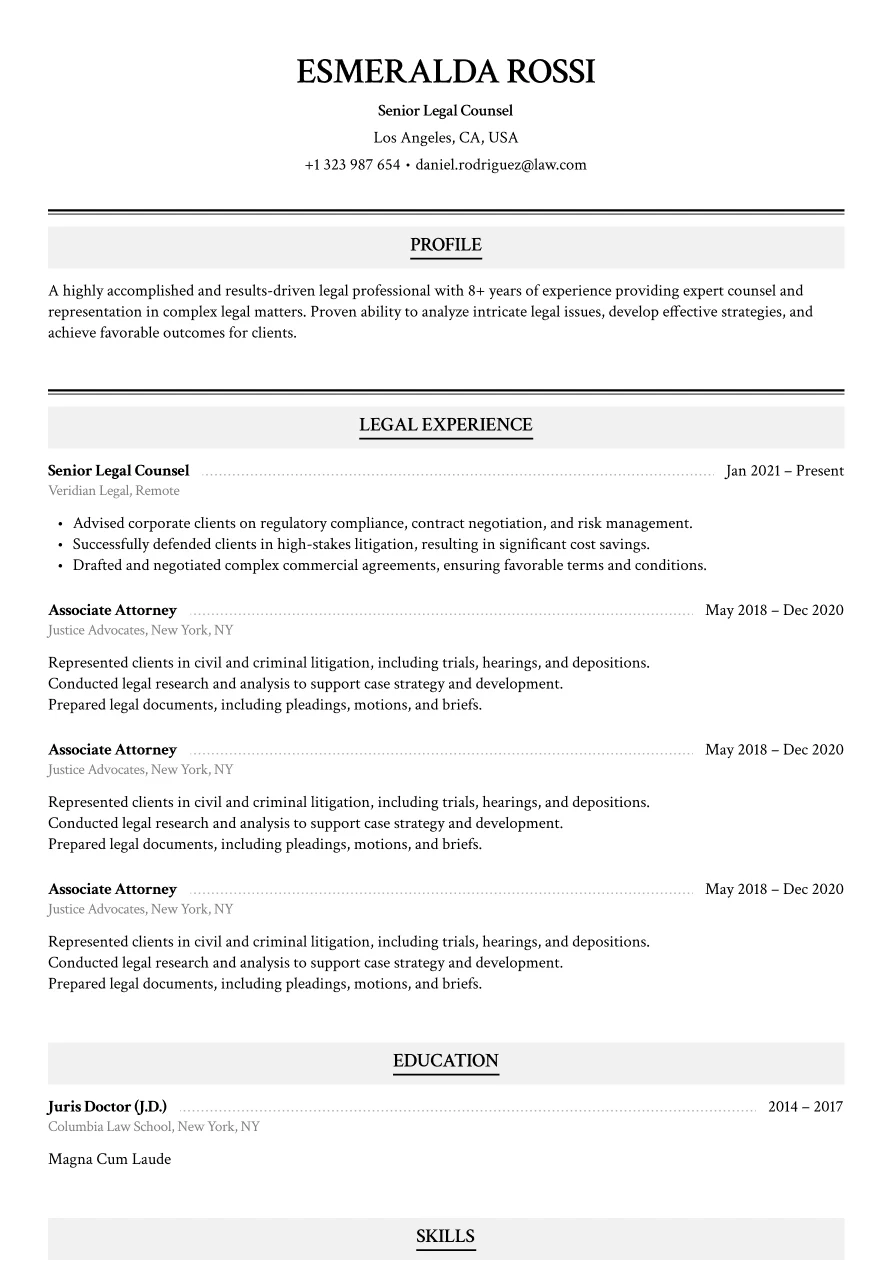
Haven
Classic legal layout with refined section styling.
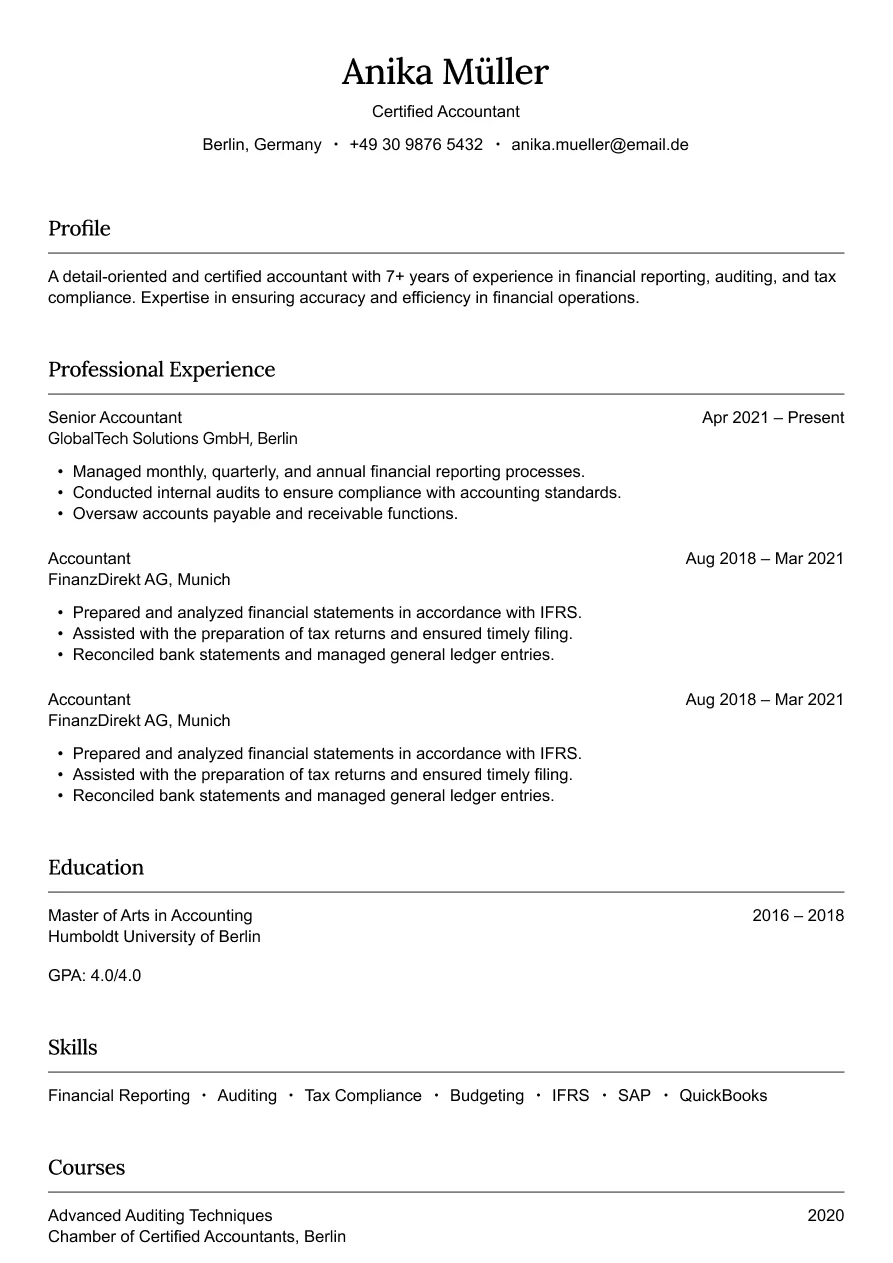
Austin
Simple and professional design for finance roles.
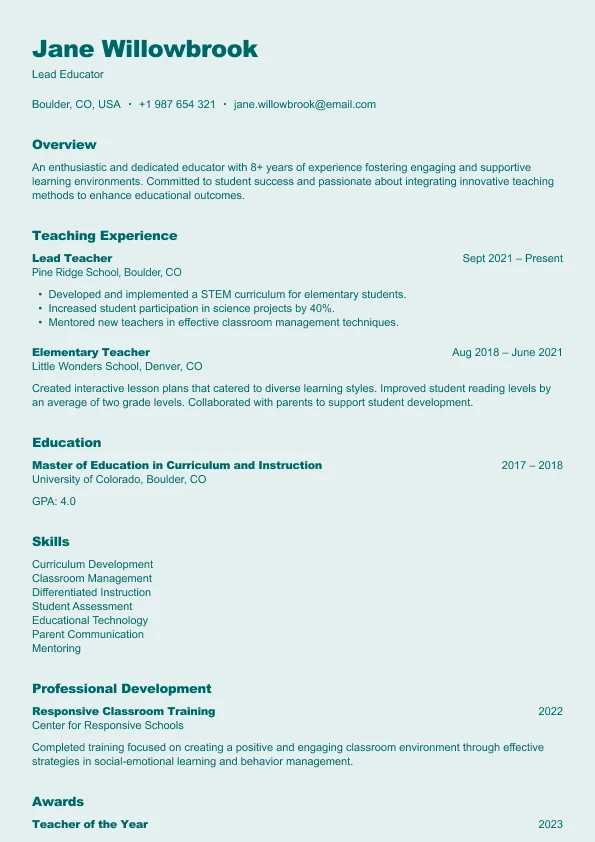
Harbor
A clear, reader-friendly layout built who want a structured and approachable resume.
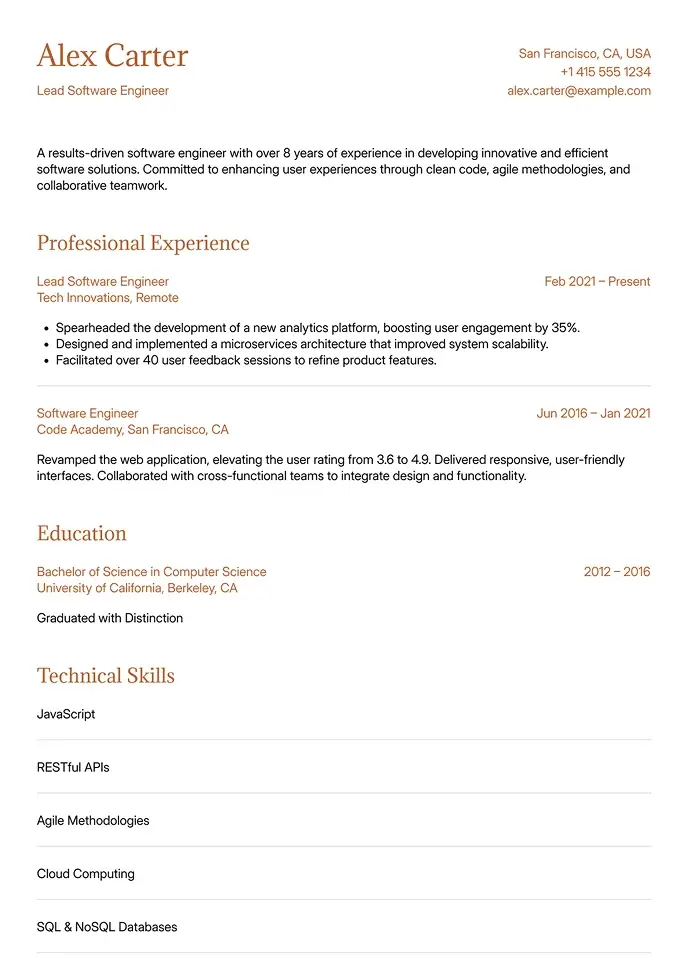
Canyon
Simple and clean, built for technical or structured resumes.
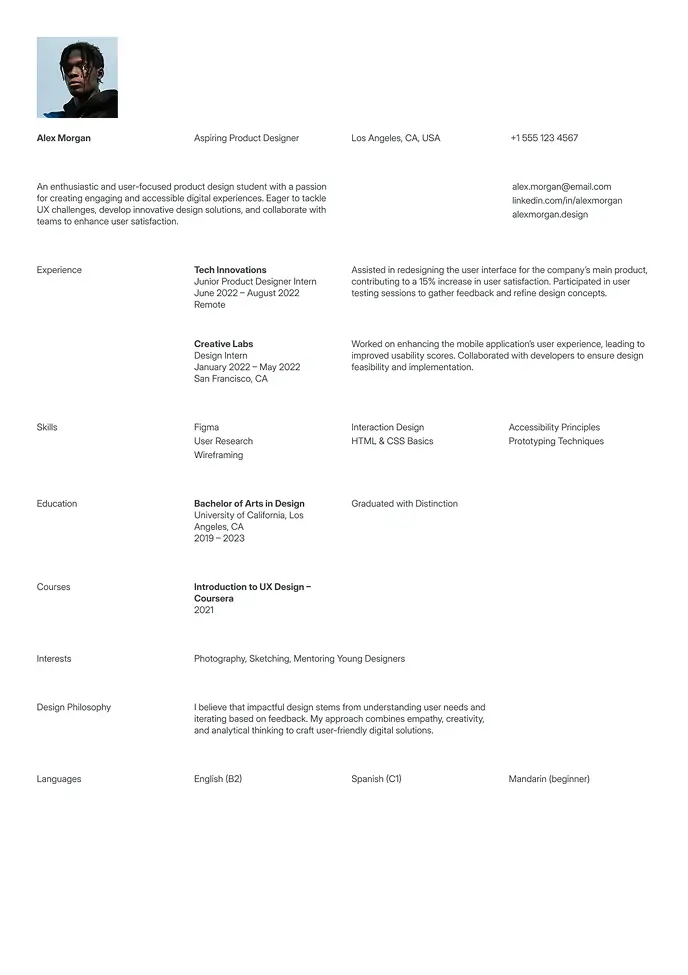
Berlin
Clean and simple resume, great for students or interns.
Who Actually Needs One Page (And Who's Making a Mistake Using It)
One-page resumes are the right choice for more candidates than commonly assumed — and the wrong choice for others who default to it based on outdated advice.
One page is right for you if:
You have fewer than three years of professional experience
You're changing careers and need to reframe rather than catalog your history
You're applying to startups, early-stage companies, or roles where brevity signals self-awareness
The job posting explicitly requests a one-page resume
Your relevant experience genuinely fits one page without cramming
Consider two pages if: You have more than five to seven years of relevant experience, you're applying to senior or executive roles, or your industry has different expectations (academia, federal government, research). For candidates with more extensive backgrounds, our professional resume templates support a clean two-page format.
Ruthless Editing: Cutting Without Losing Impact
Most candidates try to squeeze content into one page. The better approach is selecting what belongs there in the first place. These are fundamentally different processes — and only one produces a strong result.
Start by listing everything you might include. Then apply a single test to each item: does this specific detail help me get an interview for the role I'm targeting right now? If not, it's cut. The question isn't "is this impressive?" — it's "is this relevant to this specific application?"
Limit work experience to the last 5–7 years or your two to three most relevant roles
Cut bullet points to two to four per role — only your strongest achievements, with numbers
Consolidate skills into one tightly curated section — not an exhaustive inventory
Replace a long objective paragraph with a 2–3 line summary targeted to the role
Remove early career positions, generic skills, and anything that doesn't differentiate you
One-Page ATS Formatting: What Not to Sacrifice for Space
The instinct when fitting content to one page is to shrink fonts or reduce margins. Both are mistakes that create new problems.
Margins below 0.5 inches cause ATS systems to misparse content near page edges. Font sizes below 10pt reduce readability for human reviewers. The answer is always fewer words, not smaller type.
Keep single-column layout, standard section headings, and body text at 10–11pt minimum. One-page ATS templates follow the same structural rules as any ATS-optimized resume — they just contain more carefully selected content. For detailed ATS guidance, see our ATS resume templates.
For simple, clean one-page designs, our simple resume templates are ideal starting points. Modern one-page look? See our modern resume templates. Free option? All 16 of our free resume templates include one-page-ready designs.
Two-column
11 two-column resume templates for professionals with diverse skill sets. More content on one page — without crowding.
Recruiter Approved
Build a Resume That Works. Literally.
Our templates are designed to get you noticed, shortlisted, and hired — fast.